Context & scope
Understand the organisation, interested parties, obligations and boundaries of the business continuity management system.
Connect critical services, dependencies, business impact, recovery priorities, continuity plans, incidents, exercises and improvement actions in one reviewable BCMS operating record.
STORM supports BCMS governance and evidence. Continuity strategies, exercises and certification decisions remain the responsibility of the organisation and qualified independent parties.
ISO 22301 is not simply a continuity-plan template. It establishes a management system that connects organisational context, leadership, analysis, operational capability, evaluation and improvement.
Understand the organisation, interested parties, obligations and boundaries of the business continuity management system.
Establish policy, authority, responsibilities and top-management commitment for continuity capability.
Address risks and opportunities, define objectives and plan how the BCMS will achieve and measure them.
Maintain resources, competence, awareness, communications and controlled documented information.
Understand disruption impacts, critical activities, dependencies and risks before choosing continuity solutions.
Establish workable response and recovery arrangements, then exercise and evaluate them.
Monitor the BCMS, audit it and conduct documented management reviews.
Manage nonconformities and corrective actions and continually improve BCMS effectiveness.
STORM includes ISO 22301 assessment support and connects continuity work to the same asset, risk, policy, supplier, incident, audit and management records used across the organisation.
Inventory business services, processes, data, systems, infrastructure, locations, people and suppliers, then model the relationships continuity teams need to analyse.
Cartography · dependency mapPerform Business Impact Analysis across business activities, assess operational consequences and capture recovery priorities with RTO and RPO targets.
BIA · impact · RTO/RPODevelop and maintain continuity and recovery documentation with templates, versions, owners, approvals, reviews, acknowledgements and automated reminders.
Plans · procedures · ownershipConnect incidents to affected assets, services and departments; assign owners, record root cause, track target dates and retain corrective and preventive actions.
Incident register · responseAssess supplier business impact, service replaceability and security posture, collect evidence and track remediation for dependencies outside direct control.
Third-party risk · evidenceRun ISO 22301 assessments, identify gaps, plan internal audits, retain findings and consolidate risks, incidents and actions in management review.
Compliance · audit · management review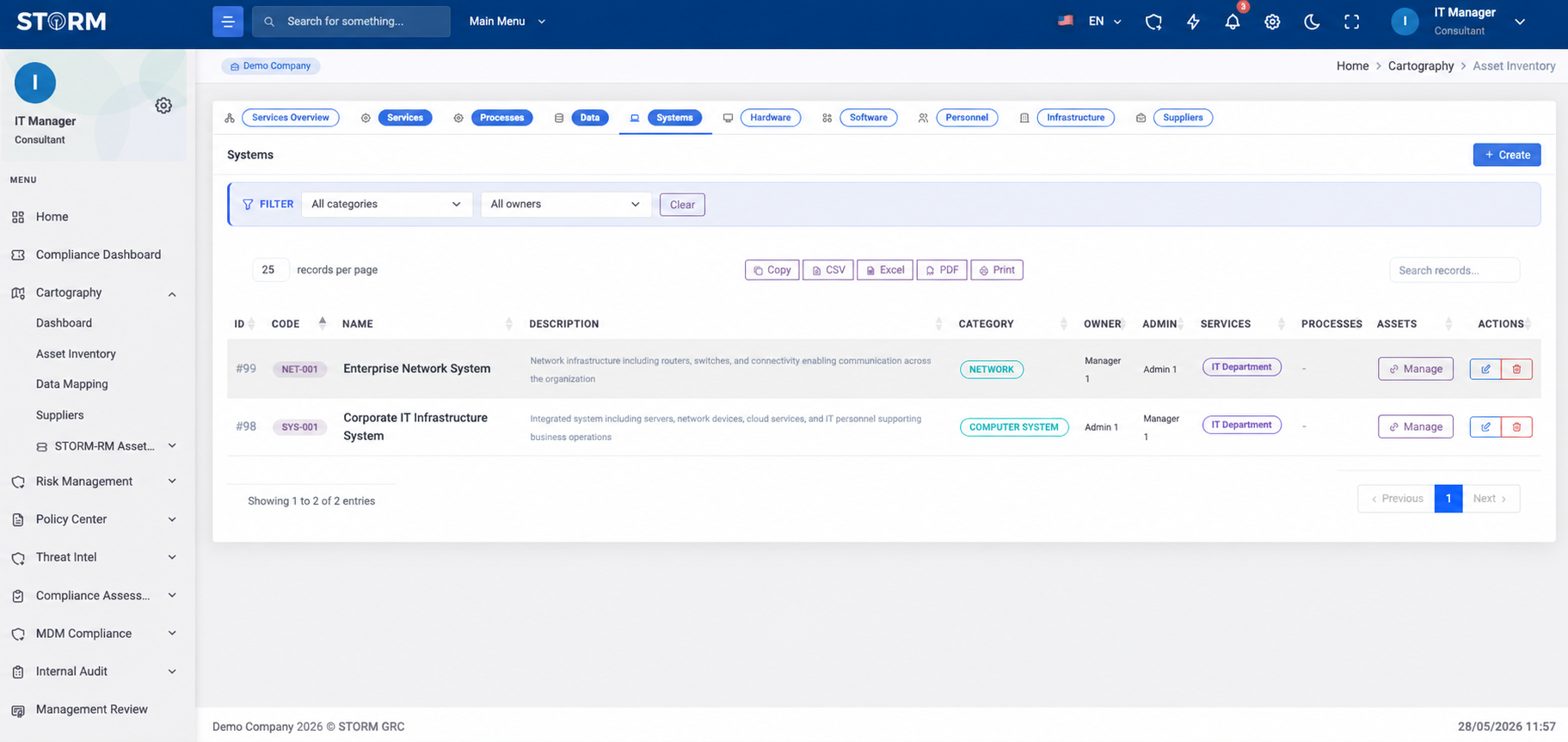
STORM Cartography creates a shared model of business activities, services, assets and external dependencies. That model gives BIA, recovery planning, supplier assessment and incident response a consistent scope.
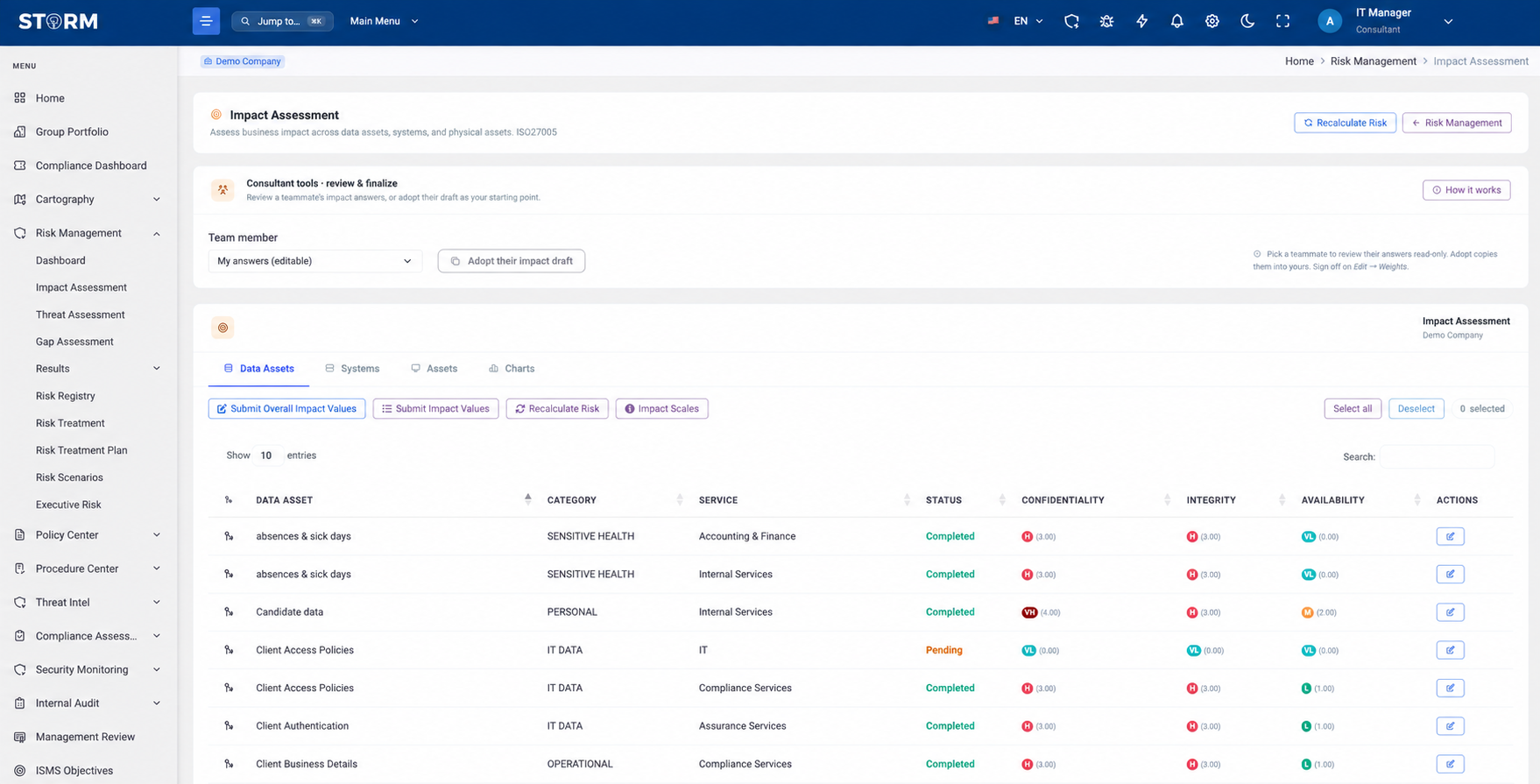
Structured impact assessment links business consequences to the assets and activities that create them. STORM supports BIA results, RTO/RPO tracking and exportable evidence for planning and review.
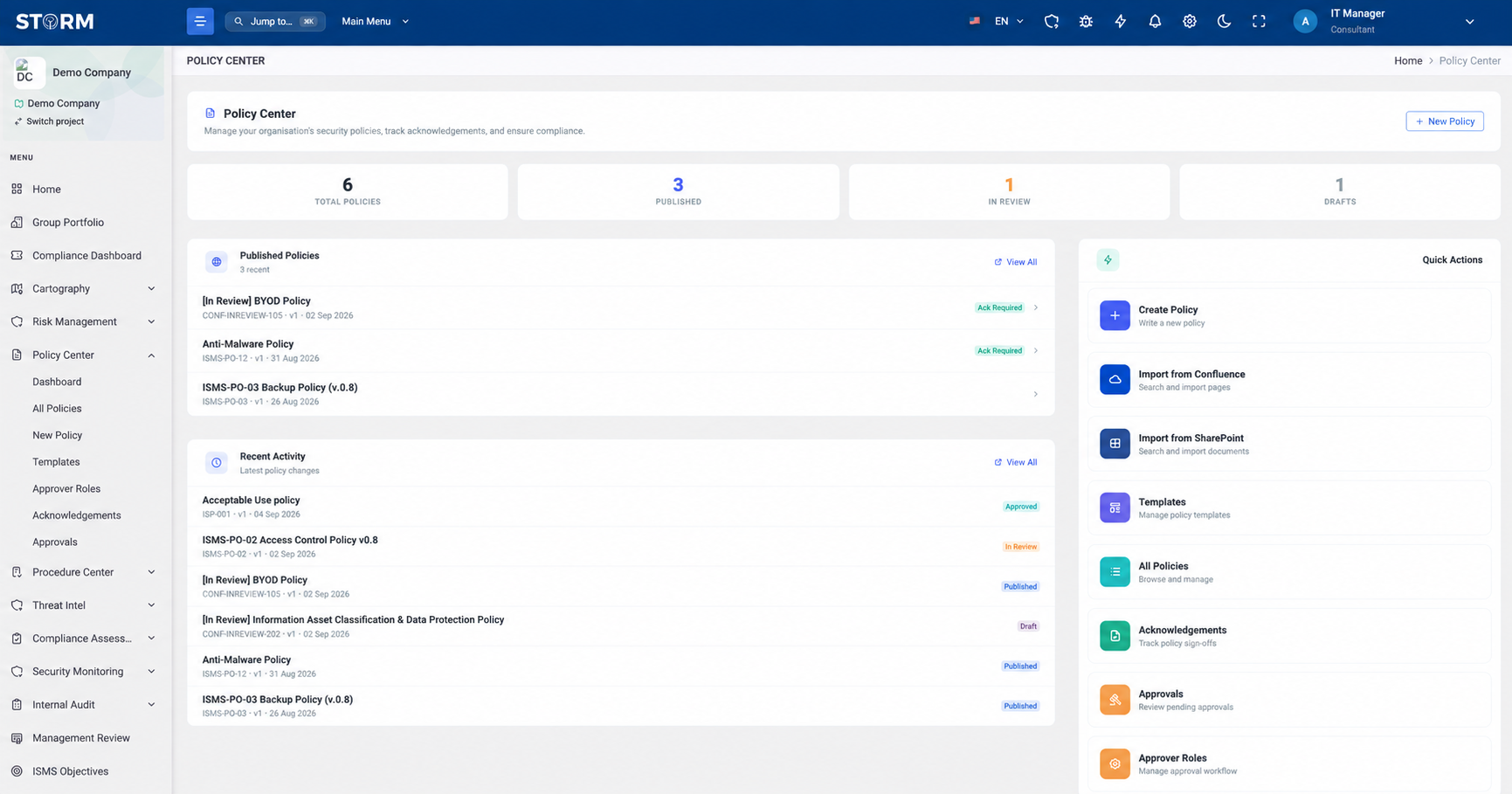
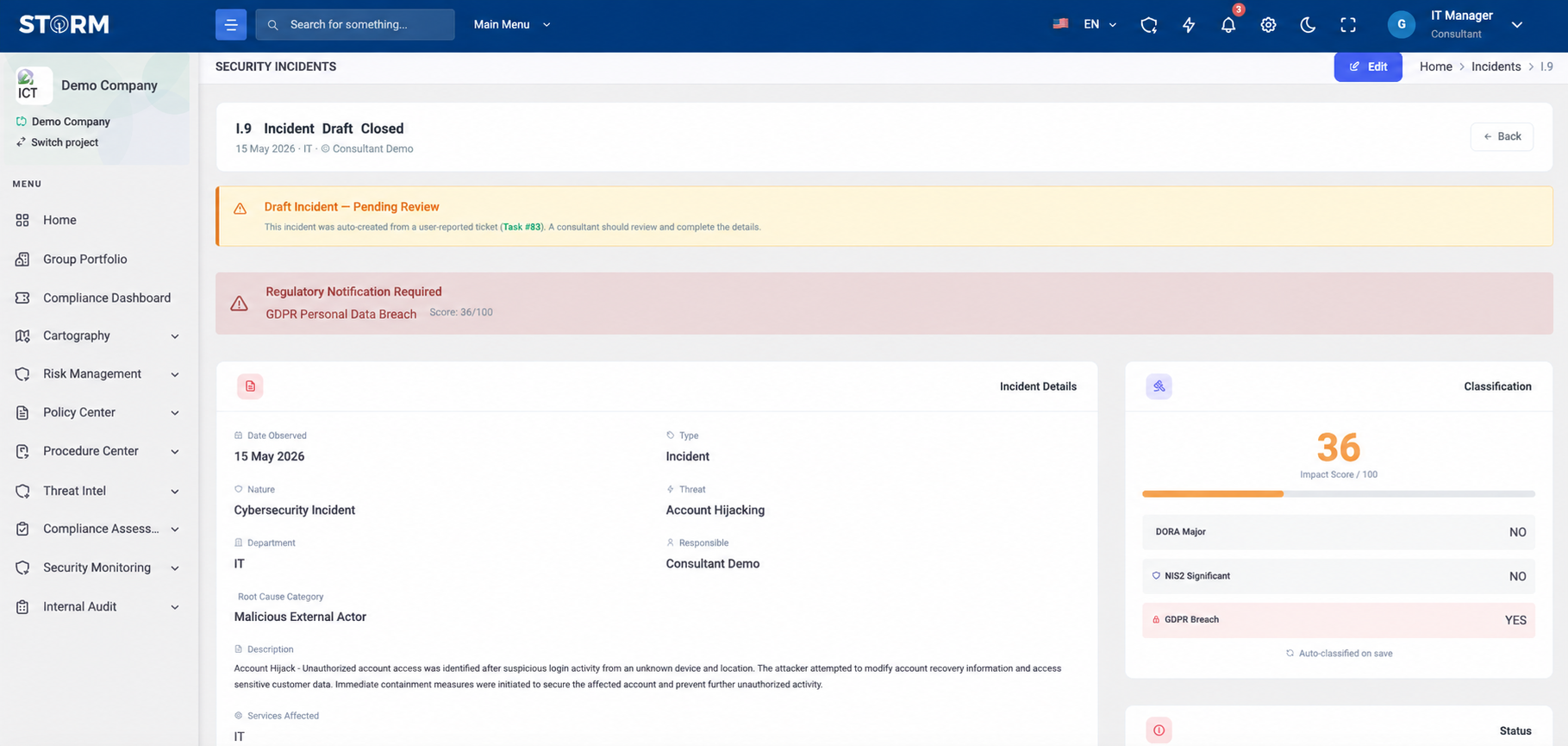
Versioned BCP and DRP documents can remain connected to the incident workflow used to record affected services, responsibility, root cause, resolution dates and corrective action.
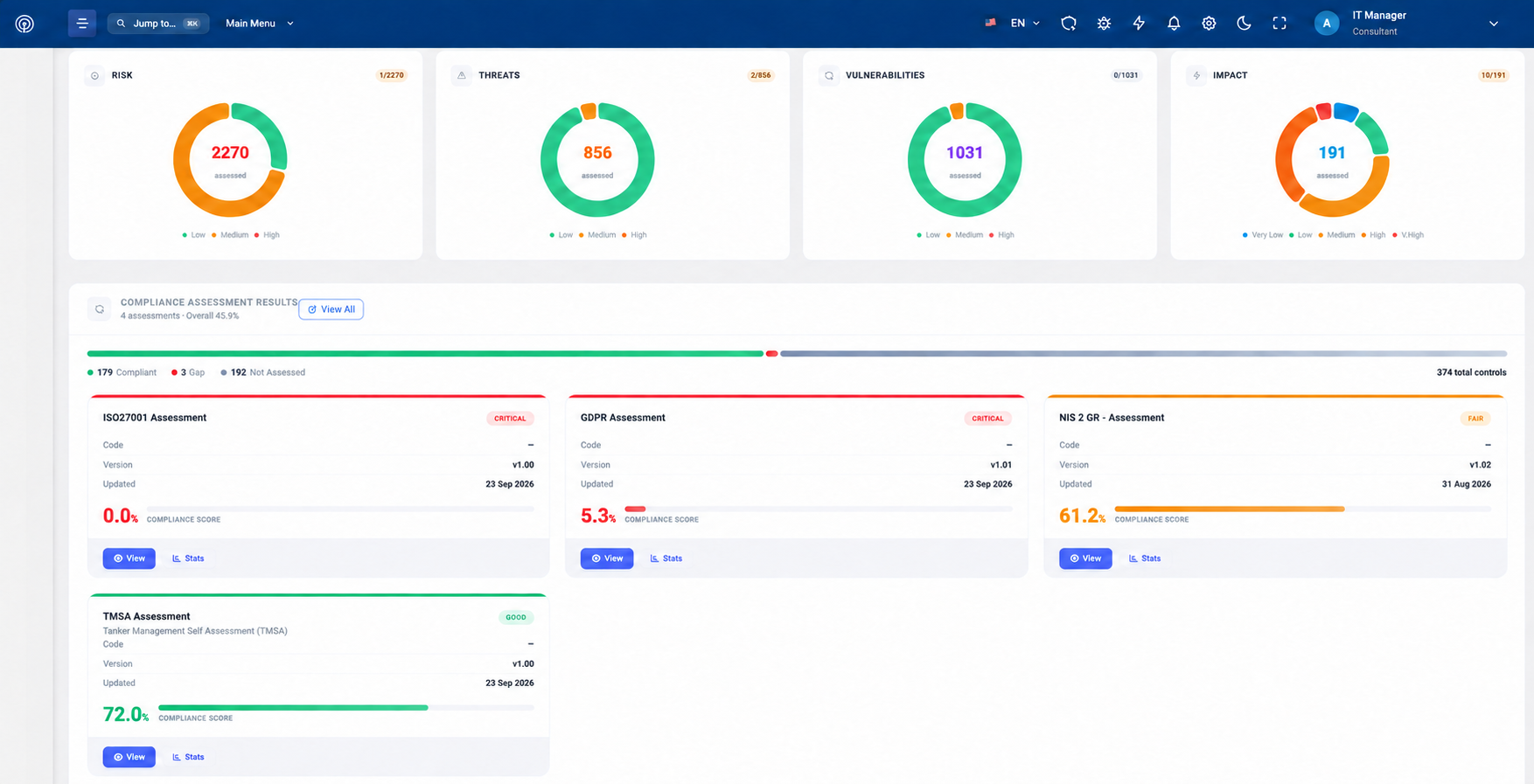
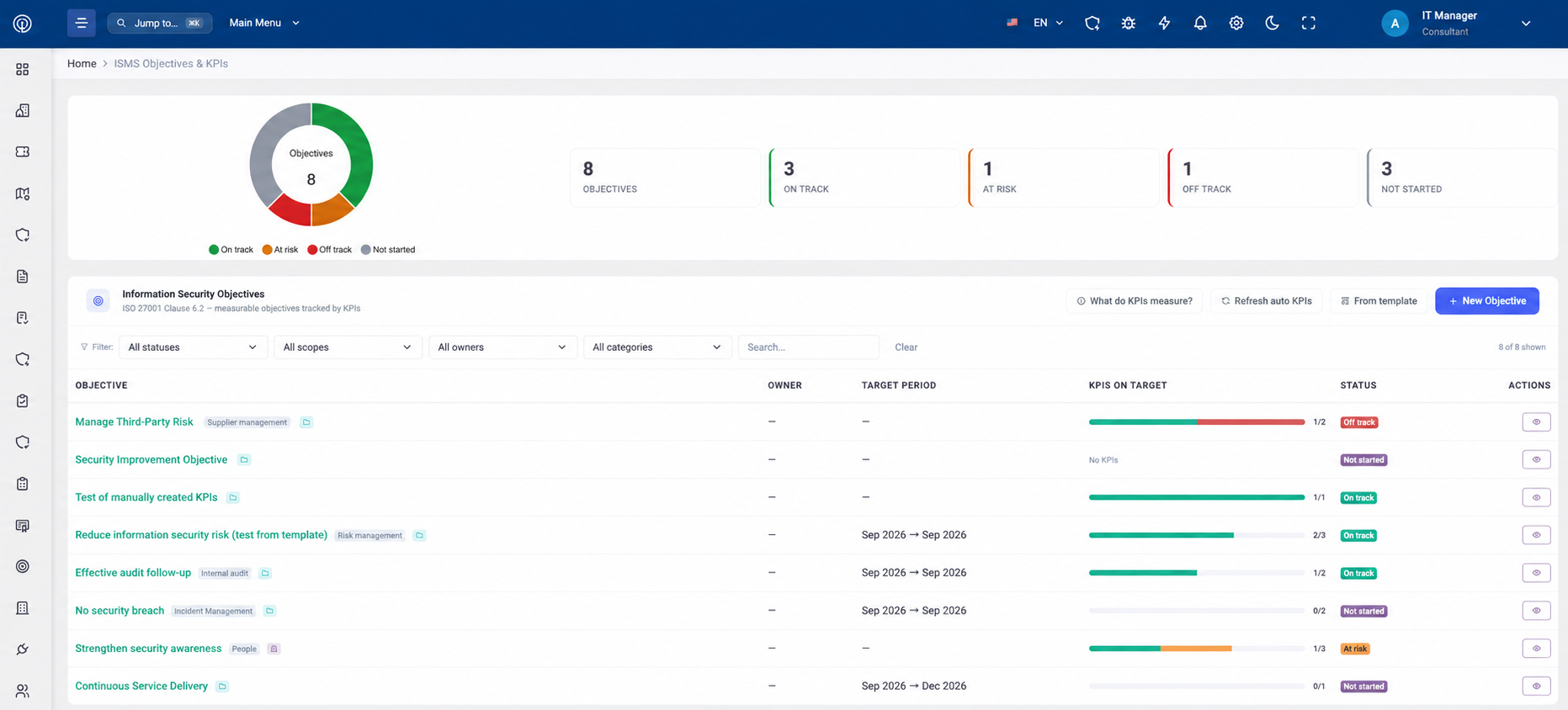
Assessment status, gaps, audit findings, risks, incidents and actions can feed management review, while objectives and KPIs provide a measurable record of performance and improvement.
STORM helps organise the evidence around the standard while continuity leaders retain responsibility for strategies, capability and real-world performance.
Identify priority services, activities, information, systems, sites, people and suppliers within BCMS scope.
Cartography · business activitiesUse business impact and dependency context to define recovery priorities and relevant time and data-loss targets.
BIA · RTO · RPOMaintain strategies, plans, roles, communications and response procedures as controlled, owned documentation.
BCP · DRP · policiesRetain exercise, incident, audit, assessment and management-review evidence and follow every finding to action.
Exercises · audit · improvementThese are operating questions, not substitutes for the licensed requirements. Obtain the official standard and define continuity arrangements appropriate to your organisation.
Use STORM to preserve context and evidence through the continuity lifecycle rather than rebuilding it for every review.
Define services, processes, assets, sites, people, suppliers and obligations.
Context · cartographyPerform BIA and risk assessment and establish recovery priorities.
Impact · risk · targetsMaintain strategies, plans, procedures, roles and communications.
BCP · DRP · ownershipExercise plans, assess controls, audit the BCMS and review performance.
Exercises · assessment · auditResolve gaps and findings and document corrective and management actions.
Findings · review · actionA continuity tool organises work and evidence. It cannot prove recovery capability without organisational action and exercise.
Use a focused walkthrough to test STORM against your critical activities, dependencies, BIA method, recovery targets, plans, incidents, suppliers, exercises and audit requirements.